
The similarities and differences between FARC and ELN in Colombia.

The FARC (Revolutionary Armed Forces of Colombia) and the ELN (National Liberation Army) are two leftist guerrilla groups in Colombia that have been active for several decades. While they share some similarities in their ideologies and objectives, there are also notable differences between them.
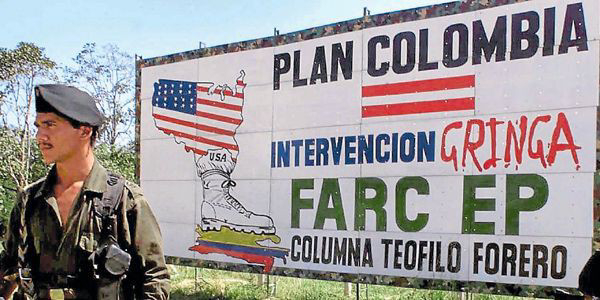
Similarities:

  1. Both groups are Marxist-Leninist in ideology and seek to overthrow the Colombian government to establish a socialist state.
  2. They both use armed struggle and guerrilla warfare as their primary means of achieving their objectives.
  3. Both groups have been involved in drug trafficking to finance their operations.
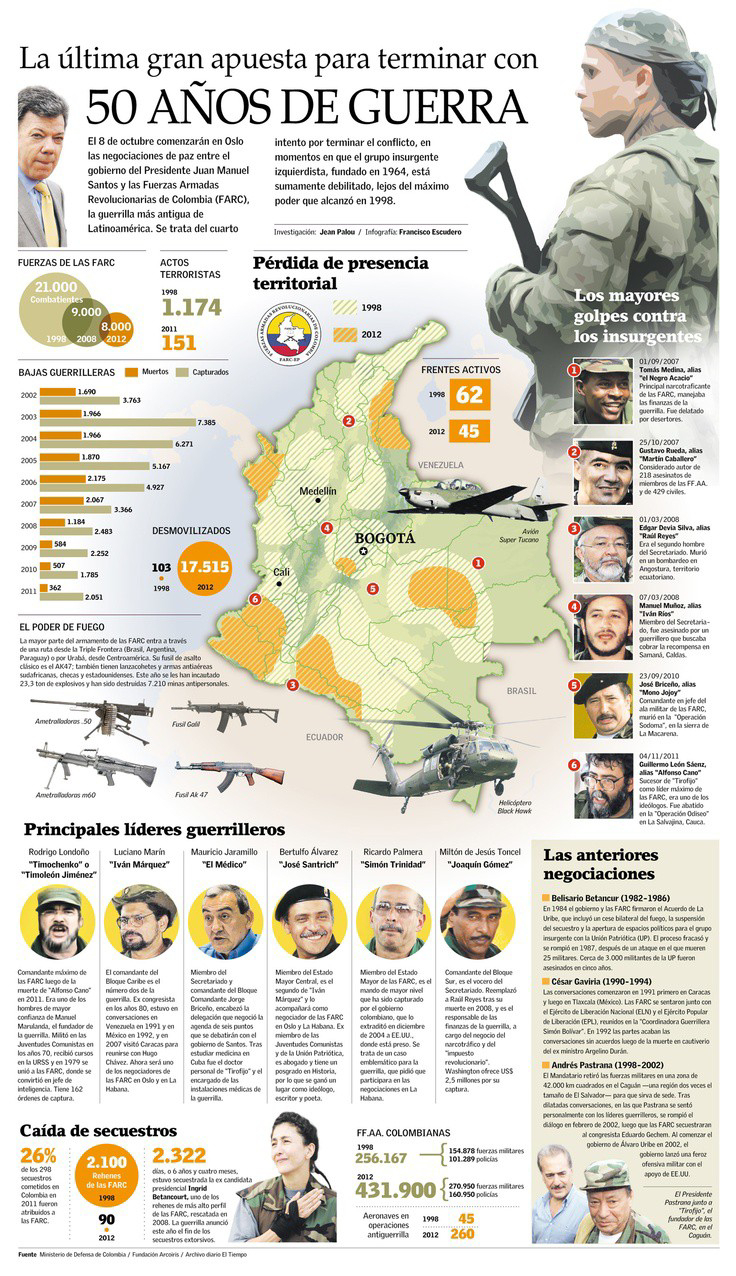
Differences:

  1. Size and strength: The FARC is a larger and more powerful group than the ELN, with an estimated 7,000-8,000 members at its height, compared to the ELN's 1,500-2,000 members.
  2. Geography: The FARC operates mainly in rural areas, while the ELN has a stronger presence in urban areas.
  3. Tactics: While both groups use violence and intimidation, the FARC is known for its brutal tactics such as kidnappings, bombings, and mass killings, while the ELN tends to focus more on smaller-scale attacks on military and infrastructure targets.
  4. Negotiations: The FARC has engaged in peace negotiations with the Colombian government, resulting in a peace agreement in 2016, while the ELN has not yet reached a similar agreement and remains active.


In summary, while the FARC and ELN share some similarities in ideology and tactics, there are significant differences in their size, geography, and approach to achieving their objectives.

Comments

Popular posts from this blog

15 Interesting Facts About Republic Day You Must Know

15 Interesting Facts About Republic Day You Must Know There’s no greater joy than seeing the National Flag unfurl or the National Anthem play. No matter how many times you experience it in your lifetime, it never fails to give you the goosebumps. And when it’s one of the most significant days of the year, Republic Day, one cannot hold back the sense of pride the day imbues within. While the country celebrates the day with barbeques, fireworks, parades and other festivities, it’s time to understand the history of Republic Day and how far the country has come in building itself into a strong nation. Take a look at these 15 Republic Day facts that would surely take you by surprise. 1. The first Republic Day was celebrated three years after we got Independence that is, on January26, 1950. Actually, it took 2 years and 11 months for the Indian Constitution to be drafted. 2. Dr. Rajendra Prasad, the first President of India took the Oath of Presidentship (at Dubar Hal...

Different methods of adulteration of crude drugs

Adulteration of crude drugs refers to the intentional or unintentional contamination or substitution of genuine plant or animal-derived substances with inferior or cheaper substances. The adulteration can occur at various stages, including collection, processing, storage, and distribution of crude drugs. Here are some common methods of adulteration: 1. Substitution: This method involves replacing the genuine crude drug with a similar-looking but cheaper or inferior substance. For example, substituting a valuable medicinal herb with a different plant species that resembles it in appearance. 2. Dilution: Adulterants may be added to the genuine crude drug to increase its weight or volume. This method is often used to make the drug appear more abundant or to increase profits. Diluents can include inert substances like starch, talcum powder, or other plant materials. 3. Extraction: Adulteration can occur by partially or complete...

Dev Lab manual

  Welcome: Dev Lab Manual B.Pharm - Lab Manual 1st Sem HumanAnatomy Pharmaceutical Analysis Pharmaceutical Inorganic Chemistry pharmaceutics I Remedial Biology 2nd Sem Pharmaceutical Organic Chemistry Biochemistry Human Anatomy and Physiology II 3rd Sem Lab Manual of Organic Chemistry II Lab Manual Pharmaceutical Microbiology Lab Manual Physical Pharmaceutics I Pharmaceutical Engineering 4th Sem Medicinal Chemistry - I Pharmacognosy & Phytochemistry - I Pharmacology - I Physical Pharmaceutics - II 5th Sem Industrial Pharmacy I Pharmacology II Phrmacognosy & Phytochemistry II 6th Sem Herbal Drug Technology Medicinal Chemistry - III Pharmacology - III 7th Sem Instrumental Methods of Analysis D.Pharm - Lab Manual 1st Year Social Pharmacy Pharmacognosy Pharmaceutics Pharmaceutical Chemistry Human Anatomy & Physiology 2nd Year Pharmacotherapeutics Pharmacology Hospital & Clinical Pharmacy Community Pharmacy & Management Biochemistry & Clinical Pathology BPT - Lab...