Modern advancements in pharmaceutical chemistry have significantly reshaped the development of new drugs, therapeutic strategies, and delivery systems. These innovations have enhanced the precision and effectiveness of treatments for a variety of diseases, including cancers, infections, and chronic conditions. Here are some of the key recent trends and breakthroughs in the field:
1. Personalized Medicine and Targeted Drug Design
- Precision Drug Design: The development of personalized or precision medicine, driven by advancements in genomics and proteomics, has led to more targeted therapies. These drugs are designed based on individual genetic profiles, which enables more effective and fewer side effects. Examples include targeted cancer therapies like HER2 inhibitors in breast cancer (e.g., trastuzumab) and ALK inhibitors in non-small cell lung cancer (e.g., crizotinib).
- Biomarker Discovery: Advances in biomarker identification allow pharmaceutical chemists to design drugs that interact with specific proteins, enzymes, or genetic mutations that are implicated in diseases. For instance, KRAS inhibitors for cancers harboring specific KRAS mutations, like those in pancreatic cancer, are an emerging area of focus.
2. Artificial Intelligence (AI) in Drug Discovery
- AI-Assisted Drug Design: Artificial intelligence and machine learning are now extensively used to analyze massive datasets, predict molecular behavior, and accelerate the drug discovery process. AI algorithms can predict which chemical compounds are likely to be effective drugs by analyzing chemical structures, binding affinities, and biological activity. A notable example is AlphaFold by DeepMind, which predicts protein structures with remarkable accuracy, aiding in the design of drugs targeting specific proteins.
- De Novo Drug Design: AI tools have been used to generate entirely new drug candidates (de novo design), which may not be based on any known molecule. These AI-designed compounds can target previously “undruggable” proteins, offering potential treatments for a wide range of diseases.
3. Advancements in Drug Delivery Systems
- Nanotechnology: Nanomedicine and drug delivery systems are at the forefront of pharmaceutical chemistry, allowing for the targeted delivery of drugs directly to disease sites, such as tumors, with minimal off-target effects. Liposomes, dendrimers, and nanoparticles are commonly used to enhance bioavailability and solubility of poorly soluble drugs.
- Liposome-Based Delivery: For example, Doxil, a liposomal formulation of doxorubicin, provides cancer patients with more effective treatment by reducing side effects such as cardiotoxicity.
- Nanoparticle Drug Carriers: Recent studies have demonstrated the ability of nanoparticles (such as polymeric nanoparticles) to cross the blood-brain barrier, offering new hope for treating neurological disorders like Alzheimer's and brain tumors.
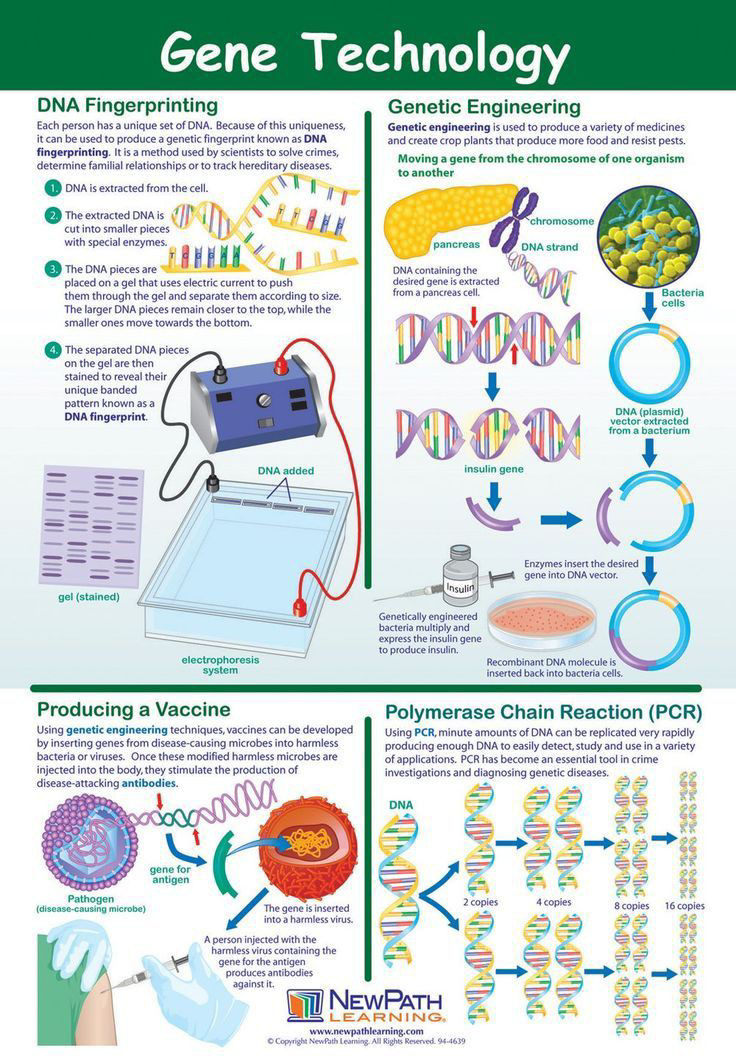
- mRNA Drug Delivery: The success of mRNA vaccines for COVID-19 has spurred the exploration of mRNA-based therapies for other diseases. Advances in lipid nanoparticle technology have made mRNA vaccines and therapies feasible, opening up possibilities for RNA-based treatments for cancers, genetic disorders, and other infectious diseases.
4. Green Chemistry and Sustainable Synthesis
- Environmentally Friendly Drug Manufacturing: Green chemistry principles have become increasingly important in pharmaceutical synthesis. This involves designing drugs and processes that minimize the use of toxic solvents, reduce waste, and use renewable resources. Advances in flow chemistry and continuous manufacturing processes allow for more sustainable and efficient drug production.
- Biocatalysis and Enzymatic Reactions: Biocatalysts—enzymes that catalyze reactions—are gaining prominence for their ability to carry out complex reactions under mild conditions. This reduces the need for harmful reagents and energy-intensive processes. Recent innovations have led to the large-scale use of enzymes for the production of pharmaceuticals, including antibiotics and steroid hormones.
5. Advances in Medicinal Chemistry and Chemical Biology
- Small Molecule Inhibitors: Small molecules that can modulate biological pathways are essential in treating diseases like cancer, viral infections, and autoimmune disorders. Recent breakthroughs in understanding protein-protein interactions (PPIs) have led to the development of novel small-molecule inhibitors targeting PPIs, which were previously considered "undruggable." For example, MCL1 inhibitors have shown promise in treating cancers by targeting the BCL2 family of proteins involved in cell death regulation.
- Chemical Proteomics: Chemical proteomics combines chemical biology techniques with mass spectrometry to map out how small molecules interact with cellular proteins. This approach is revealing new targets for drug development and offering deeper insights into disease mechanisms.
- CRISPR/Cas9-Driven Drug Design: CRISPR gene-editing technologies are being applied in drug discovery to create genetically modified models for disease research. By understanding genetic mutations better, pharmaceutical chemists can design drugs that address the root cause of diseases at the genetic level.
6. Peptide and Protein-Based Therapeutics
- Peptide Drugs: Peptides, often natural or synthetic, are increasingly being designed as therapeutic agents, especially for diseases like cancer, diabetes, and metabolic disorders. Unlike small molecules, peptides are highly selective and can often mimic the action of natural hormones or enzymes.
- Biologics and Monoclonal Antibodies: Monoclonal antibodies (mAbs) have become a cornerstone of modern therapy, especially in oncology, immunology, and infectious diseases. Advances in biologics production, including recombinant DNA technology and biosimilars, have made these therapies more accessible and cost-effective. One example is the rise of checkpoint inhibitors, like nivolumab and pembrolizumab, which have revolutionized the treatment of various cancers by modulating the immune system.
7. Immunotherapy and Antibody-Drug Conjugates (ADCs)
- Antibody-Drug Conjugates (ADCs): ADCs are a promising class of therapeutics that combine the targeting specificity of monoclonal antibodies with the cytotoxicity of small-molecule drugs. ADCs are designed to deliver chemotherapy directly to cancer cells, thereby minimizing systemic toxicity. Notable ADCs include Kadcyla (trastuzumab emtansine) and Adcetris (brentuximab vedotin), which have shown success in treating breast cancer and lymphoma, respectively.
- CAR-T Cell Therapy: Chimeric Antigen Receptor T-cell (CAR-T) therapy involves engineering a patient's T-cells to target cancer cells more effectively. CAR-T therapies like Kymriah and Yescarta have become major advancements in treating blood cancers, especially relapsed or refractory cases.
8. Antimicrobial Resistance and Novel Antibiotics
- New Antibiotics and Antifungals: The growing problem of antimicrobial resistance (AMR) has spurred the discovery of new antibiotics and antifungals. For example, teixobactin, a new class of antibiotic derived from soil bacteria, has demonstrated effectiveness against resistant strains of bacteria like Staphylococcus aureus.
- Phage Therapy: Bacteriophage therapy, which involves using viruses that target and kill specific bacteria, is being explored as a solution to AMR. Although still in early stages, this approach holds promise for treating infections caused by multidrug-resistant pathogens.
9. Nanomedicine and Drug Nanocarriers
- Nanoformulations for Cancer and Drug Delivery: Nanoparticles, such as liposomes, polymeric micelles, and solid lipid nanoparticles, are engineered to enhance the delivery of drugs, especially those with poor solubility. For example, nanoparticle-bound paclitaxel (Abraxane) allows for better delivery to tumors with reduced side effects compared to traditional formulations.
- Theranostics: A combined therapeutic and diagnostic approach, known as theranostics, is growing in importance. Nanoparticles can be engineered to simultaneously diagnose disease and deliver treatment, particularly in cancer therapy, where they can help detect tumors and deliver targeted chemotherapy.
10. Regenerative Medicine and Drug Development
- Stem Cell-Based Therapies: Pharmaceutical chemistry is contributing to the development of stem cell-based therapies for regenerative medicine. For example, stem cells are being used to treat conditions like heart disease, diabetes, and neurodegenerative disorders by promoting tissue repair and regeneration.
- Gene Editing and Regenerative Drugs: Gene-editing techniques like CRISPR/Cas9 have made it possible to develop gene therapies that can repair or replace defective genes that cause genetic disorders.
Conclusion
Modern pharmaceutical chemistry is rapidly evolving, with exciting developments across a variety of fields. Advances in AI-driven drug design, nanomedicine, biologics, and personalized medicine are paving the way for more effective and targeted treatments. These innovations hold the promise of improving patient outcomes and addressing some of the most pressing health challenges of today, including cancer, antimicrobial resistance, and chronic diseases.